
Sign up for the Today newsletter
Get everything you need to know to start your day, delivered right to your inbox every morning.
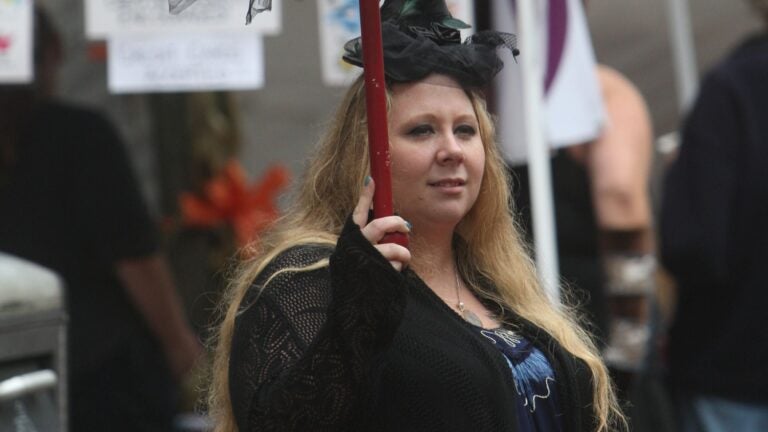
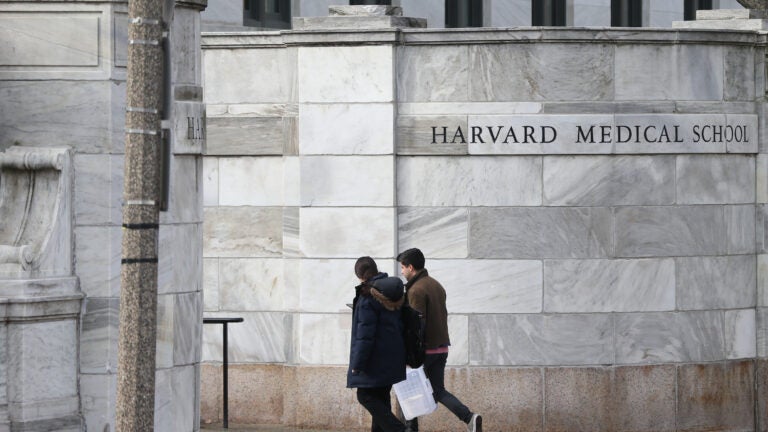
A Salem woman accused of peddling stolen human remains out of her “creepy creations” shop has agreed to plead guilty in connection with an alleged scheme to steal and sell body parts from cadavers in the Harvard Medical School morgue.
Katrina Maclean is expected to plead guilty to a charge of interstate transport of stolen goods, according to a plea agreement filed Oct. 31 in a Pennsylvania federal court. Her trial was scheduled to begin this month.
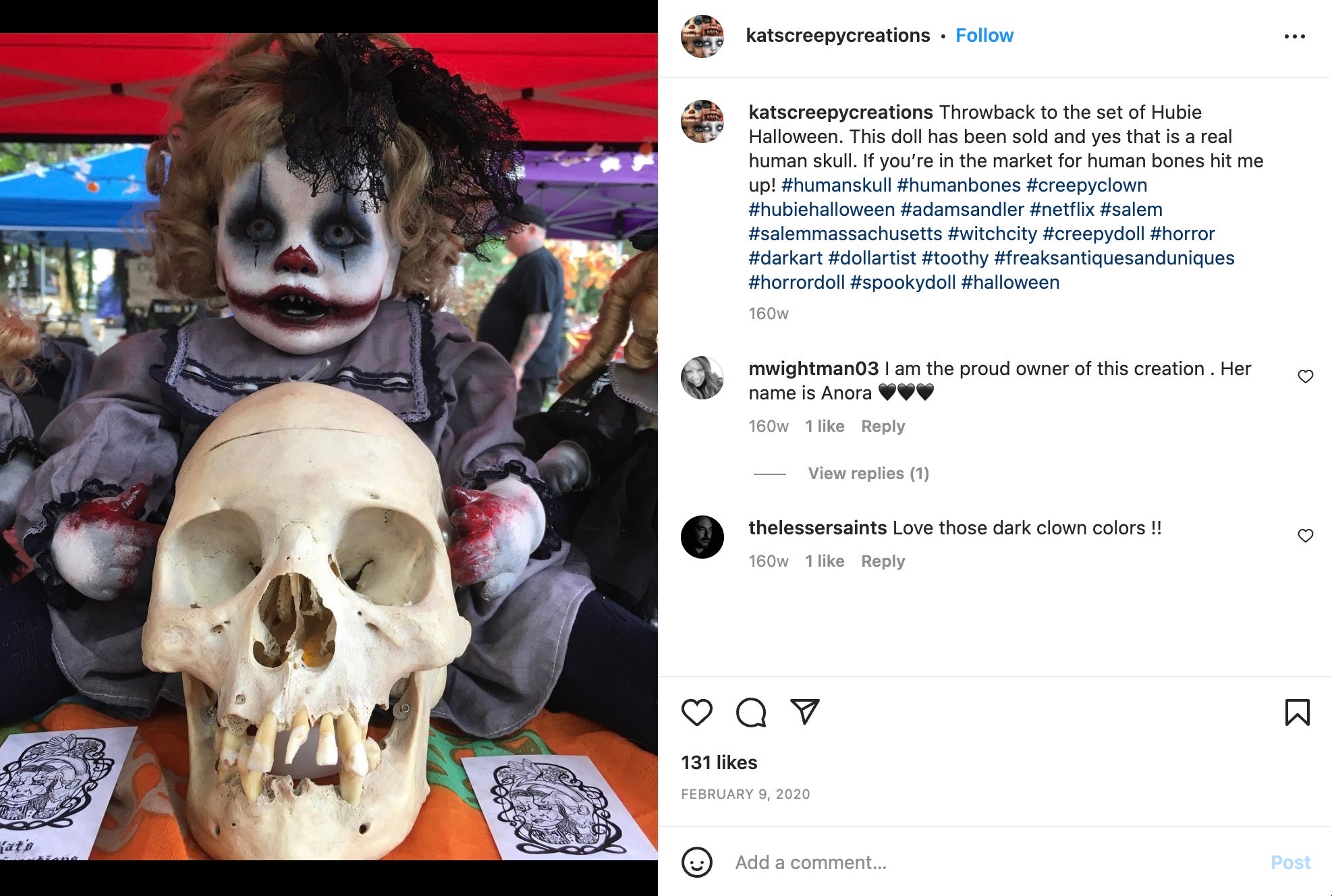
Prosecutors allege Maclean purchased pilfered human remains from former Harvard Medical School morgue manager Cedric Lodge, who sometimes allowed his buyers to enter the morgue and shop for body parts. Maclean, in turn, stored and sold stolen remains out of Kat’s Creepy Creations in Peabody, according to the 2023 indictment.
A now-private Instagram page for the shop boasted pictures of dolls with fangs and killer clown makeup, sometimes nestled with human bones. The FBI raided Kat’s Creepy Creations in March 2023, months before Maclean and others were charged in the Harvard morgue case.
The grisly scandal made national headlines, with prosecutors alleging Maclean agreed to purchase two dissected faces for $600 and later shipped human skin to a Pennsylvania man to have it made into leather. An attorney for Maclean did not return a request for comment Tuesday.
In a March motion seeking to have her charges dismissed, Maclean’s lawyer painted her as a “happily married wife and loving mother” who is active in her community and lacks any prior criminal record.
“Ms. Maclean also has a somewhat unusual interest: she is part of a legal, nationwide oddities community that collects body parts,” the filing states. “While not exactly mainstream, that oddities market is extensive and not uncommon, particularly in Ms. Maclean’s home town of Salem, Massachusetts, a community with a well-known penchant for the unusual.”
Maclean’s attorney further argued that human remains are not property and do not constitute goods, wares, or merchandise under the National Stolen Property Act.
The laws surrounding the sale of dissected human remains are murky and vary state-by-state, but prosecutors argued Maclean and her co-defendants “cannot claim both that their commercial trade in human remains is perfectly legal and part of a widespread, national, extensive marketplace, and also that human remains are not goods because they cannot be bought or sold or owned.”
Chief Judge Matthew Brann agreed, declaring Maclean “incorrect as a matter of law and historical practice.”
“Ms. Maclean may not wield the reverence our society has for the dead as a shield to protect her from the consequences of behavior that her supporting sources would view as sacrilege,” Brann wrote in his opinion. He pointed to an array of legal, anthropological, and literary sources, even opening with a quote from Mary Shelley’s “Frankenstein; or, The Modern Prometheus.”
“Goods, wares, and merchandise” should include human remains “when they have been treated as property by the defendant,” Brann opined, though he highlighted “the law’s failure to meet reality” when it comes to policies on the sale of human remains.
“Balancing humanity’s interest in protecting human remains against permitting cadavers’ productive and enormously beneficial use in research and transplantation is a challenge that cries out for legislative resolution,” he added.
The Harvard morgue scandal had resounding implications in Massachusetts and beyond; Harvard launched an independent review of its Anatomical Gift Program, dozens backed out of donating their bodies to the medical school, and relatives of past donors sued Harvard and Cedric Lodge.
Lodge’s wife and accomplice, Denise Lodge, pleaded guilty in 2024 to a charge of interstate transport of stolen goods. Cedric Lodge and one of his alleged buyers, Pennsylvania’s Joshua Taylor, made plea deals with prosecutors earlier this year. Another Pennsylvania man, Jeremy Pauley, previously pleaded guilty in connection with the interstate ring in 2023.
While Maclean faces a maximum penalty of 10 years in prison, a $250,000 fine, and up to three years of supervised release, her plea agreement states prosecutors will recommend 12 months of imprisonment. She may face additional conditions at sentencing, according to the plea deal.
Maclean’s guilty plea is conditional and reserves her right to appeal Brann’s order denying her motion to dismiss, the agreement states.

Get everything you need to know to start your day, delivered right to your inbox every morning.






To comment, please create a screen name in your profile
To comment, please verify your email address
Conversation
This discussion has ended. Please join elsewhere on Boston.com